

When an individual faces medical challenges, post-surgical recovery, or reduced mobility, everyday transit like personal vehicles, ride-shares, or standard taxis are often neither safe nor feasible. At the same time, calling 911 for an emergency ambulance is designed strictly for life-threatening emergencies. This is where dedicated non-emergency patient transfer services step in to bridge the critical gap.
What is Non-Emergency Stretcher Transport?
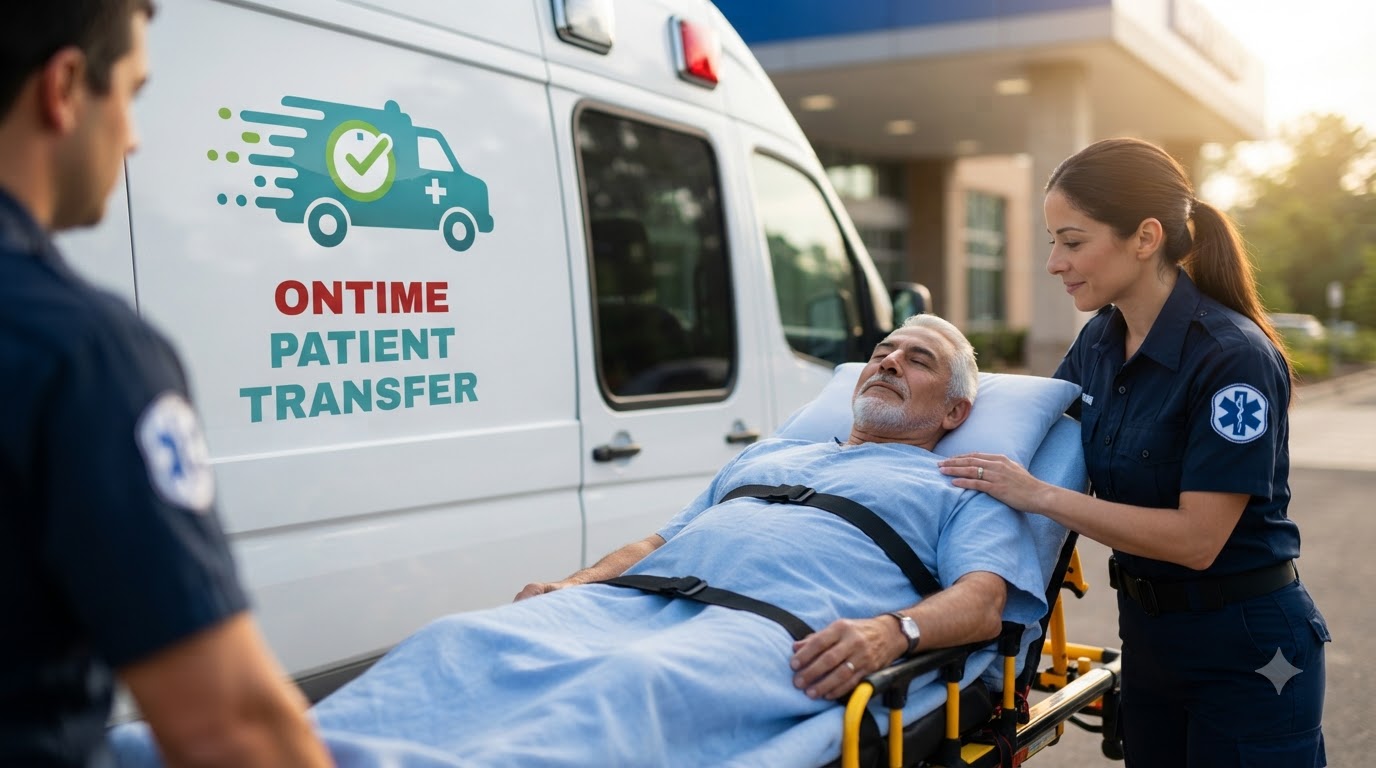
Non-emergency patient transfer provides specialized, scheduled medical transportation for stable individuals who require physical assistance, specialized stretcher equipment, or trained attendant oversight during transit. Unlike standard transit services, specialized patient transfer vehicles are fitted with secure stretcher lock-in mechanisms, mobility assistance equipment, and sanitization protocols compliant with Ontario healthcare guidelines.
"Ensuring patient dignity, gentle handling, and continuous comfort is at the core of non-emergency medical transportation."
- Ontime Patient Transfer Philosophy
Key Situations Requiring Stretcher Transfer
- Post-Surgical Hospital Discharge: Patients who cannot sit upright for extended periods following hip replacements, spinal surgeries, or major operations.
- Specialist & Diagnostic Appointments: Traveling to and from MRI scans, dialysis, chemotherapy, or orthopedic consultations.
- Bed-to-Bed Facility Relocations: Moving residents safely between long-term care homes, retirement communities, and rehabilitation clinics.
- Private Home Transfers: Bringing individuals home from medical centers with full door-to-door, bed-to-bed assistance.
What to Look for in a Quality Transfer Service
When booking a transfer for yourself or a family member across Ontario (such as Brantford, Hamilton, Kitchener-Waterloo, Cambridge, Niagara, or London), prioritize services that offer same-day availability, professional attendant support, upfront pricing, and punctual dispatch. Knowing that trained attendants are handling every transfer step from room pickup to destination reception allows families and healthcare coordinators to breathe easier.